Not all roads are created equal, which is why Giant and Liv offer an extensive range of road bikes to suit every type of rider, road surface and budget. If you’re starting your research and aren’t sure where to begin, this guide will help you understand everything from the differences between Advanced and Advanced Pro models to the key distinctions between bikes such as the TCR and Defy.
Giant and Liv
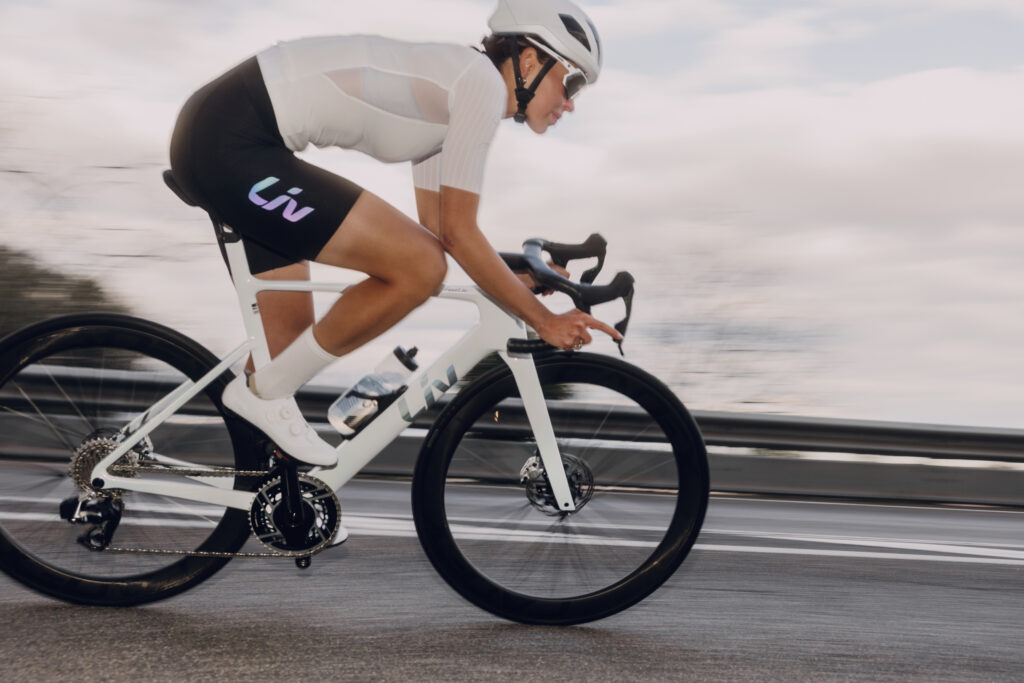
Many riders don’t realise that Giant and Liv are part of the same company. Liv was created with women riders in mind, while Giant’s range is traditionally marketed towards men. That said, there are no rules about which brand you should ride. The most important factor is finding the bike that fits you best.
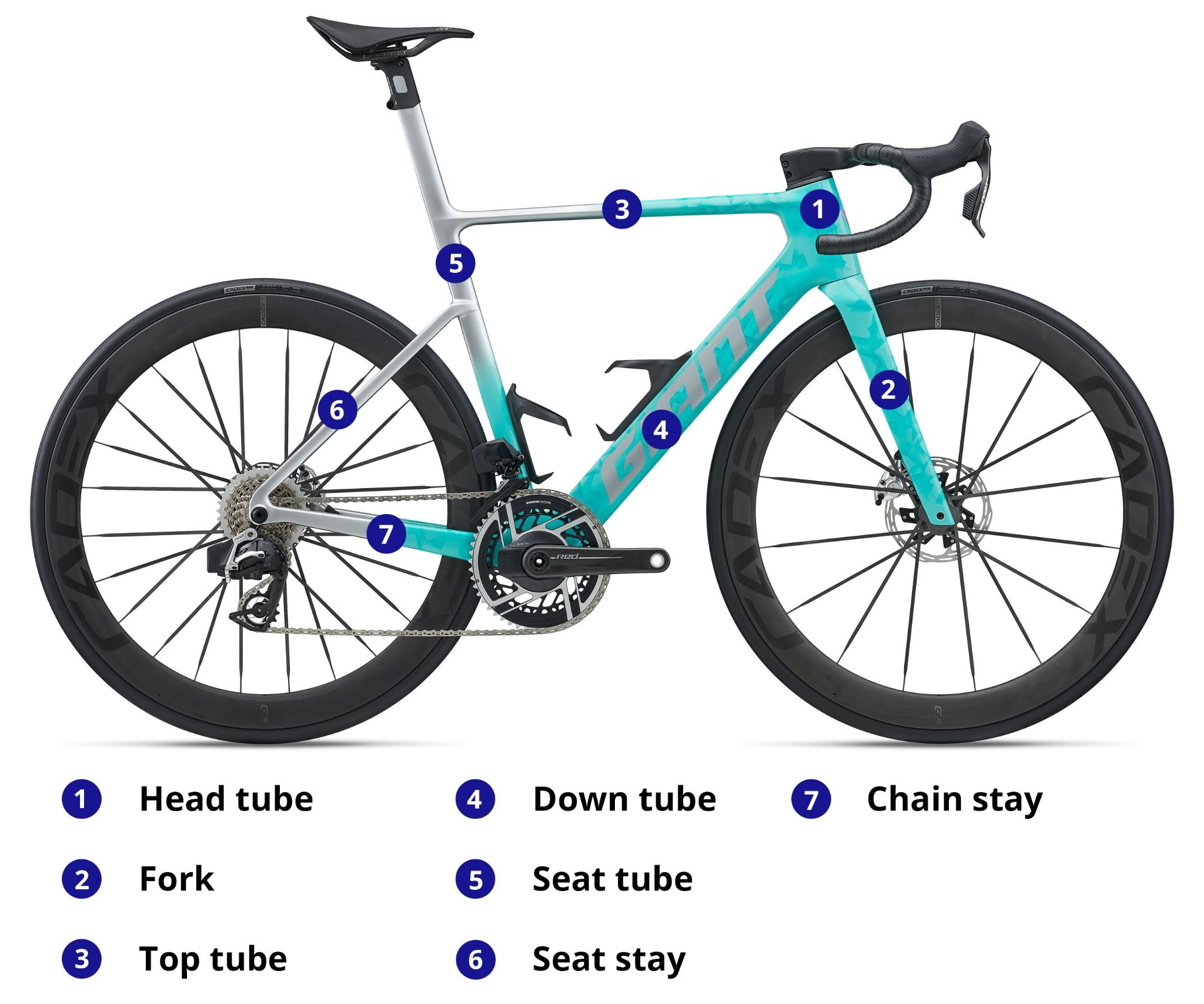
Many of the road bike platforms are shared across both brands, with each offering similar ride characteristics and technologies. Liv and Giant then make subtle adjustments to the frame geometry by altering key dimensions (see frame terminology diagram above), as well as optimising contact points such as the saddle and handlebars, to better suit their intended riders.
The equivalent road bike ranges are:
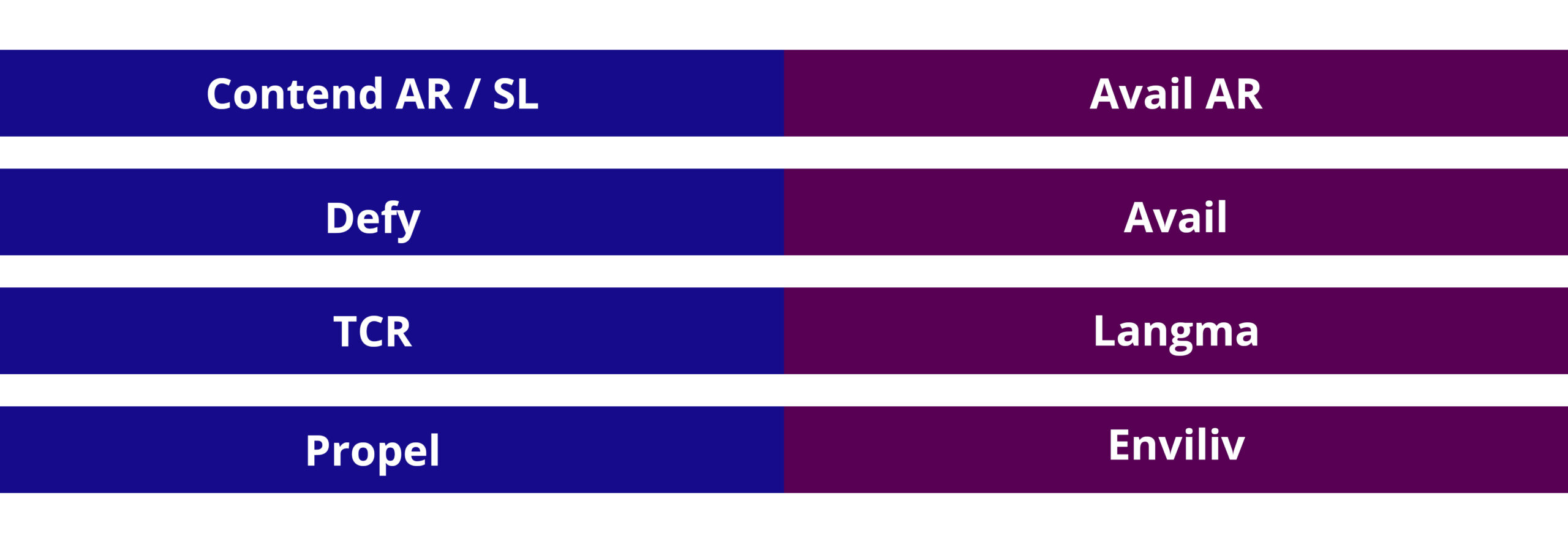
Before looking at individual models, it’s helpful to understand the differences between each series and which is best suited to your riding goals. Below, we take a closer look at what each range is designed for and the type of rider it suits best.
Which Series is Right for me?
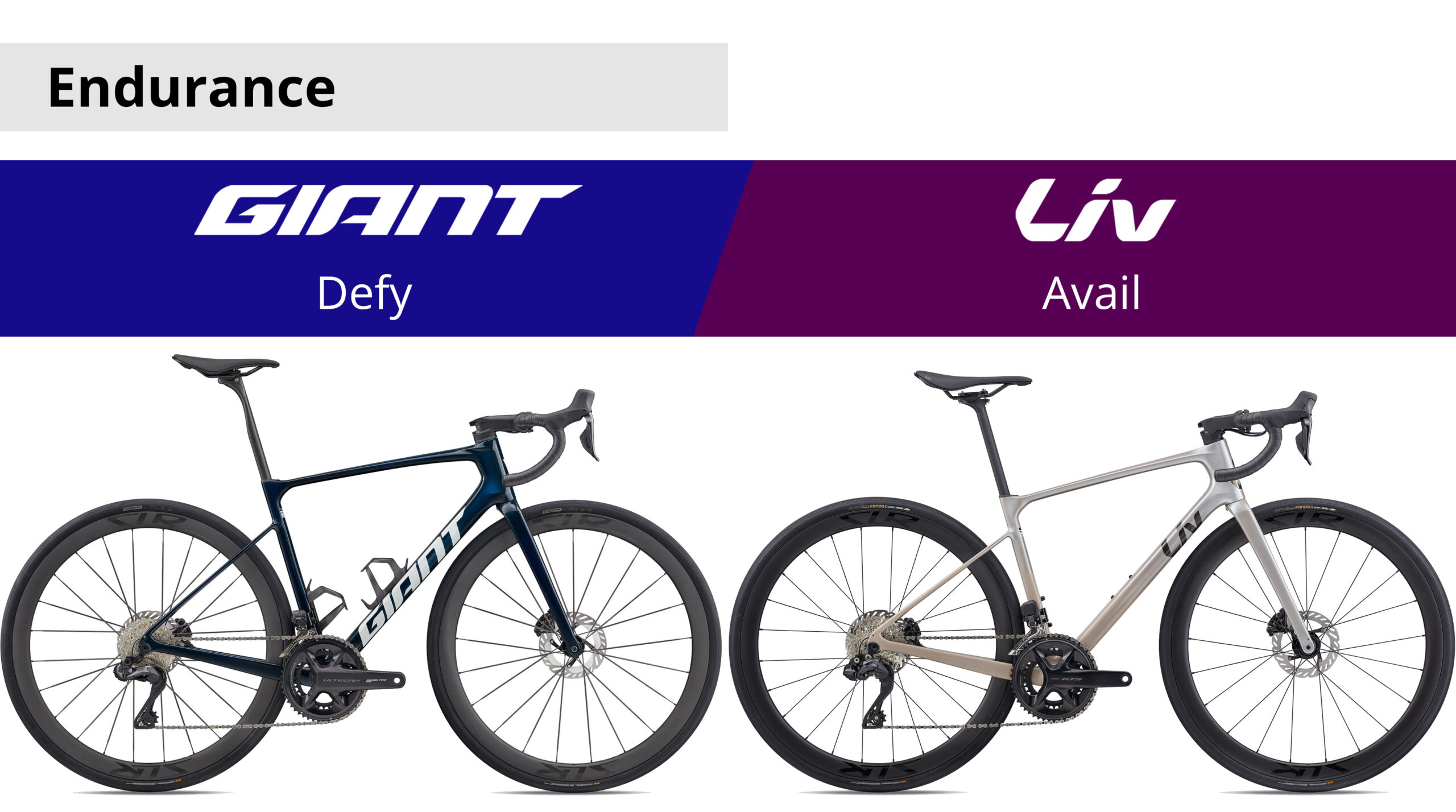
Multiple-time Bike of the Year winner, the Defy and Avail continue to build on their reputation for combining comfort, speed and versatility.
Compared to more race-focused bikes, endurance bikes feature a taller head tube that places the rider in a more upright position, reducing strain on the back, neck and shoulders during longer rides. A longer wheelbase (centre of front wheel to centre of rear wheel) improves stability and confidence when descending or cornering, while generous tyre clearance allows riders to tailor comfort, grip and speed to suit their preferred roads.
Best for: Riders prioritising comfort, long-distance riding, rougher road surfaces and fast winter riding.
Who it’s not for: Riders who prioritise maximum race performance over comfort.
Starting from £1999.
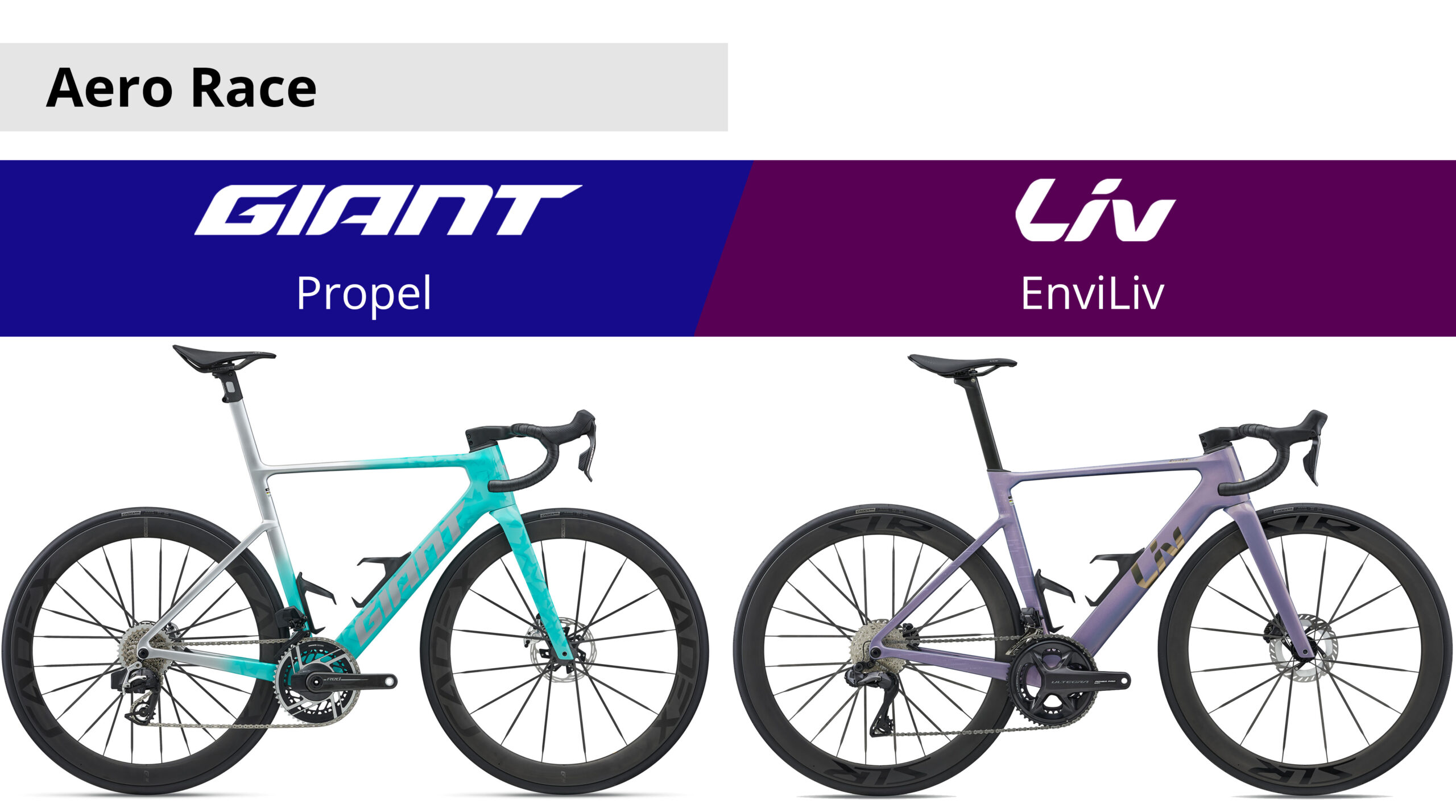
Designed with aerodynamic tube profiles throughout, the Propel and EnviLiv are built with one goal in mind: speed.
Every aspect of the frame is designed to minimise aerodynamic drag and maximise efficiency, helping riders maintain higher speeds with less effort.
Key features include:
- A shorter wheelbase for sharper, more responsive handling.
- A lower front-end position through a shorter head tube.
- Aerodynamically optimised tube shapes designed to reduce drag.
Historically, aero bikes were known for sacrificing comfort in pursuit of speed. However, modern aero bikes have become significantly more compliant, and the latest Propel and EnviLiv models have been designed with comfort in mind alongside aerodynamic performance.
Best for: Racers and riders seeking maximum speed and efficiency.
Who it’s not for: Riders who place comfort above outright performance.
Starting from £2499.
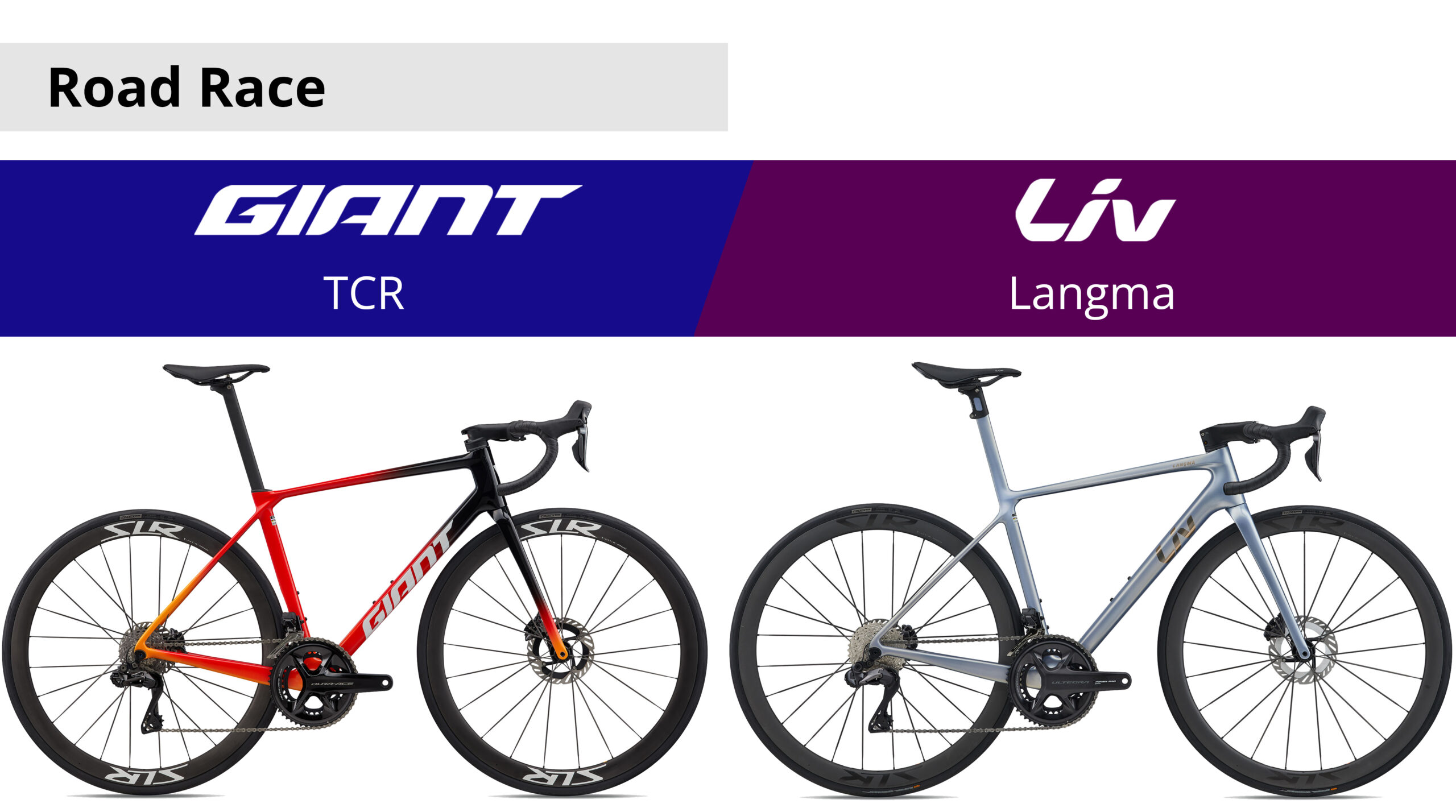
Often referred to as climber’s bikes, the TCR and Langma are lightweight performance road bikes designed to excel on steep gradients while remaining versatile enough for all types of road riding.
Their geometry sits closer to the Propel and EnviLiv than the Defy and Avail, resulting in a more aggressive riding position that favours performance and responsiveness. As with any road bike, however, the fit can be adjusted to suit individual comfort and flexibility.
The TCR and Langma are widely regarded as the ultimate all-round performance bikes, offering an exceptional balance of low weight, efficient power transfer, confident handling and everyday usability.
Best for: Riders looking for versatile performance bike, particularly those who enjoy climbing and want the lightest carbon model.
Who it’s not for: Riders seeking maximum comfort or those focused purely on aerodynamic gains.
Starting from £2299.
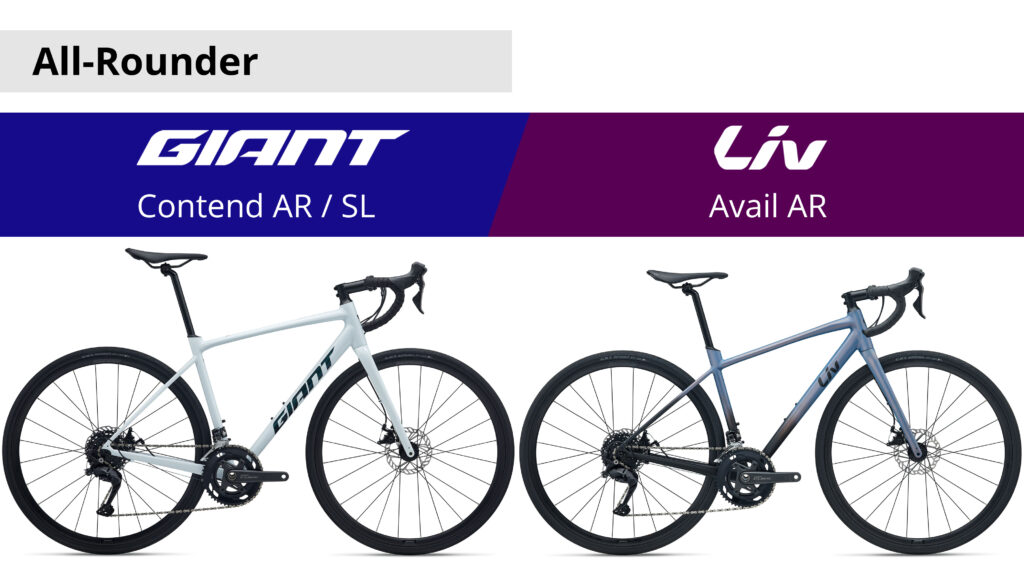
The Contend and Avail AR ranges feature ALUXX or ALUXX SL aluminium frames paired with Advanced-grade carbon forks. These bikes share many of the same endurance-focused characteristics as their more premium carbon counterparts while offering exceptional value for money, making it an excellent choice for newer riders.
Available in a range of specifications, riders can choose the groupset and component package that best suits their needs and budget.
The increased tyre clearance of the AR (All-Road) models allows for greater versatility across different road surfaces, while full mudguard mounts make them an excellent choice for year-round riding, winter training and fast commuting.
Best for: New road riders, commuters, winter riding and riders looking for excellent value.
Who it’s not for: Riders seeking the lowest weight or maximum race performance.
Starting from £799.
Composite Series Bikes
Now that you have a better understanding of which series is best suited to each riding style, let’s explore the differences between the frame levels. The Advanced series from Giant and Liv signifies that these models feature their class-leading carbon-composite technologies. Each frame level incorporates specific upgrades designed to enhance performance, resulting in differences in weight, stiffness, ride quality, and overall efficiency.
Advanced
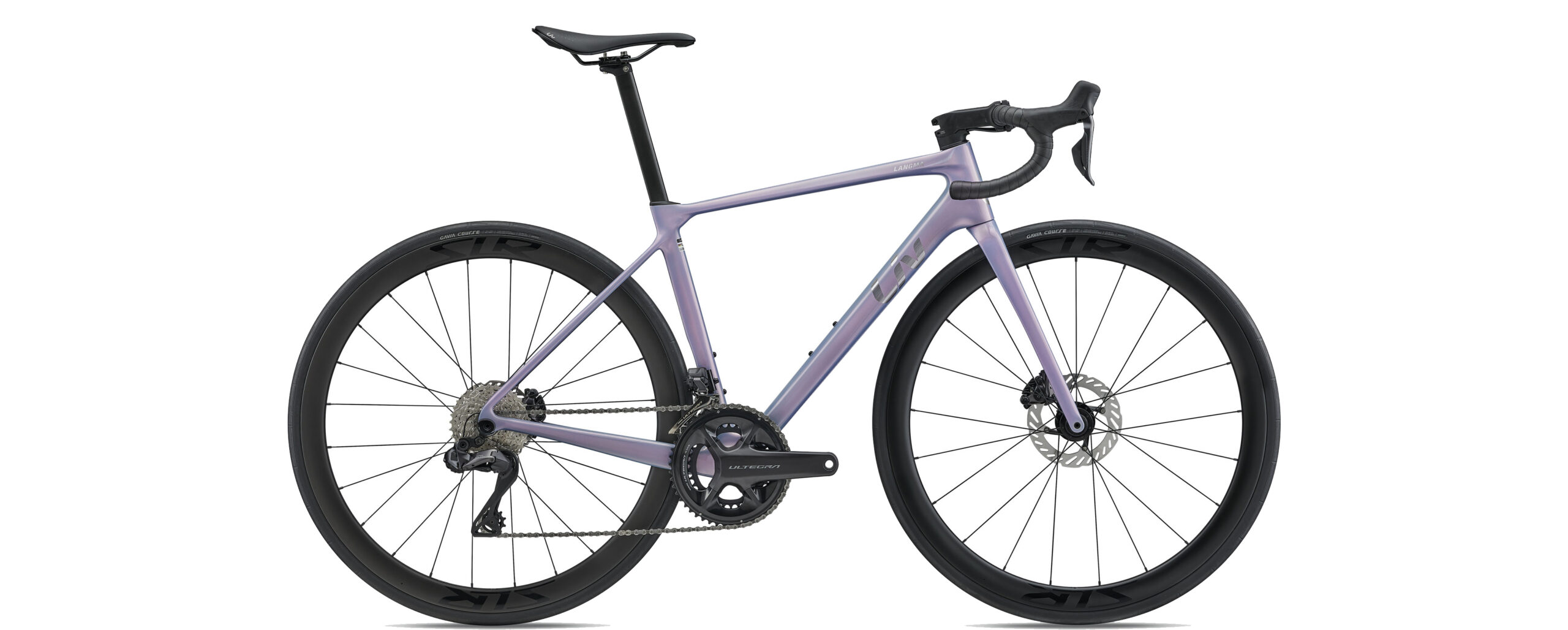
Advanced models feature Giant’s Advanced-grade carbon frame and fork. These bikes deliver an excellent balance of performance, comfort and value, making them a popular choice for a wide range of riders.
Advanced Pro
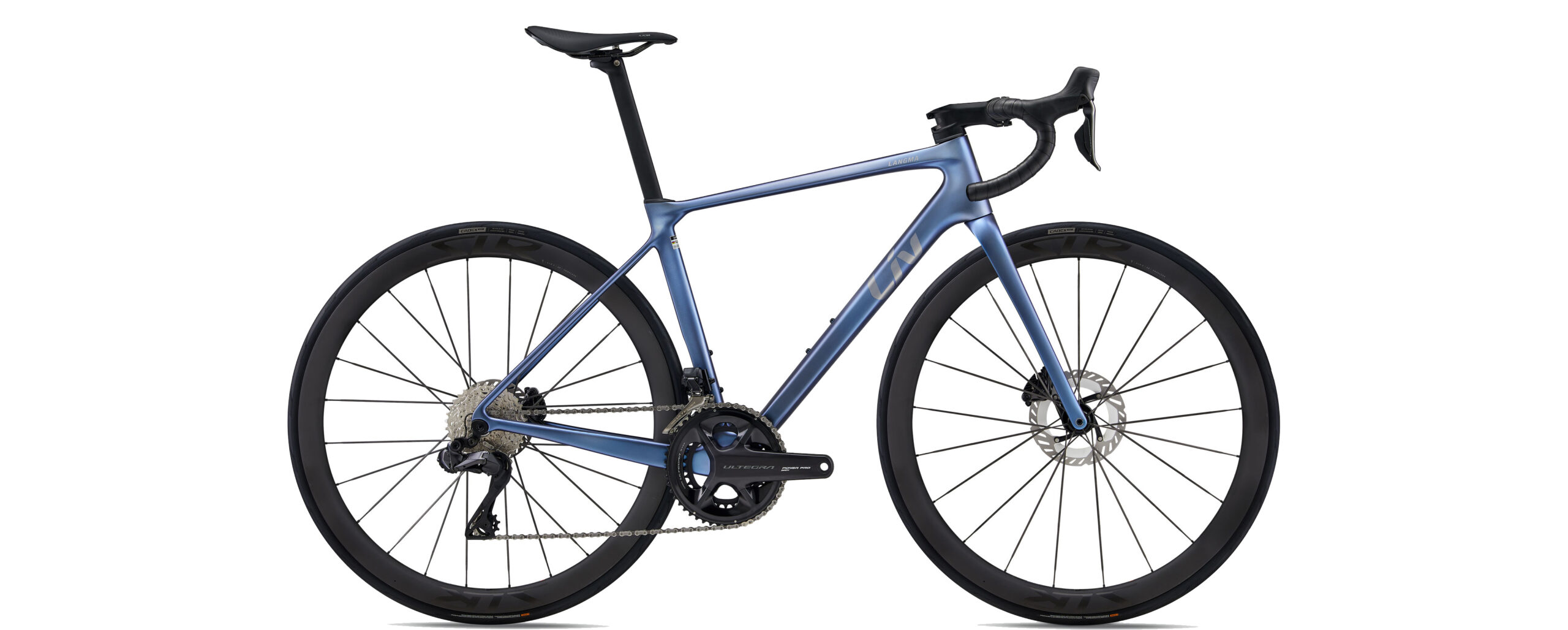
Advanced Pro models feature an Advanced-grade carbon frame paired with an Advanced SL-grade fork. In addition to the upgraded fork, Advanced Pro models often include higher-spec finishing kit and wheelsets, resulting in lower weight and increased performance.
Advanced SL
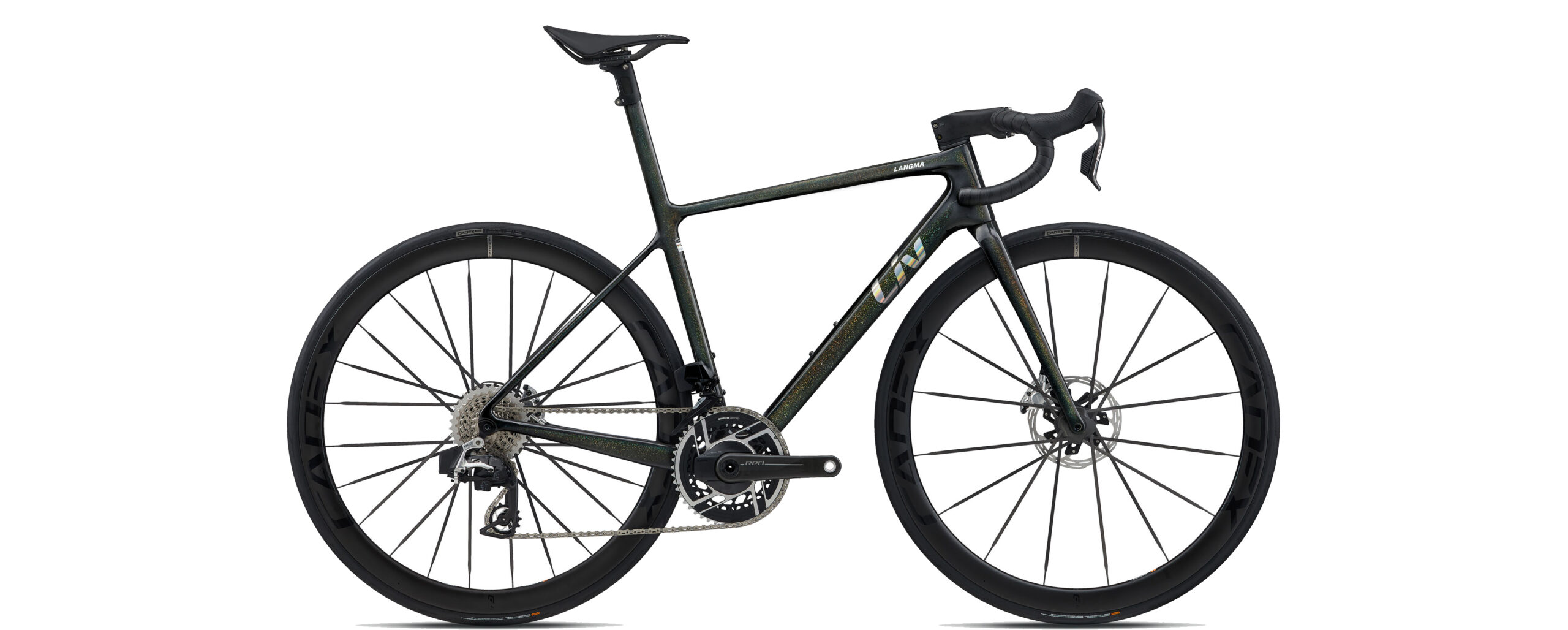
Advanced SL represents Giant and Liv’s highest-performance carbon platform. These models feature both an Advanced SL-grade frame and fork, offering the lowest weight and highest stiffness-to-weight ratio in the range.
On the TCR, Langma, Propel and EnviLiv ranges, Advanced SL models feature an ISP (Integrated Seatpost). By integrating the seatpost into the frame, weight is reduced while increasing frame stiffness for maximum efficiency and performance.
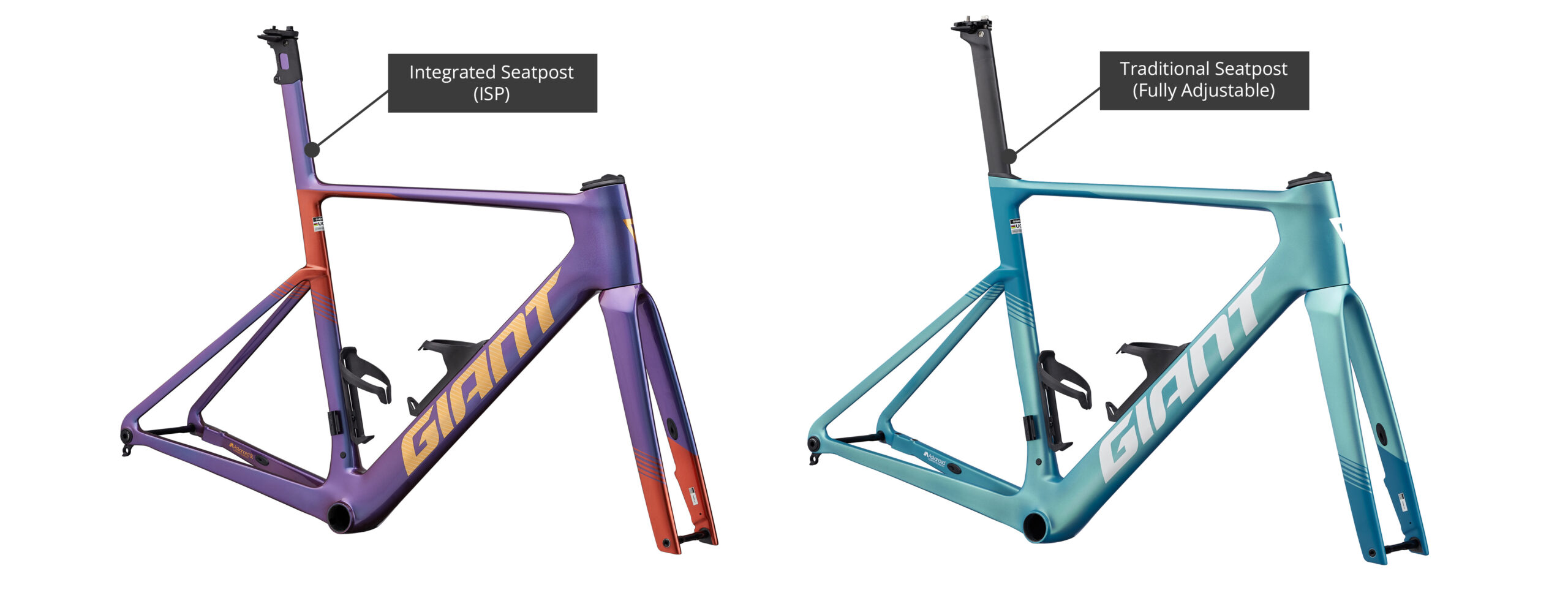
ISP-equipped bikes require the seatpost to be cut to the rider’s desired saddle height. However, adjustment spacers are included to allow for fine-tuning after installation.
The Defy Advanced SL and Avail Advanced SL take a slightly different approach, featuring an Advanced SL-grade frame paired with an adjustable Advanced SL seatpost, providing many of the same performance benefits while retaining greater saddle height adjustment.
Specification
The number in a bike’s model name indicates its specification level. As a general rule, the lower the number, the higher the specification.
For example, a TCR Advanced 0 sits at the top of the Advanced range and features one of the highest-spec component packages available on that frame platform. As the number increases, generally the specification level decreases, with changes typically affecting the groupset, wheelset and other components.
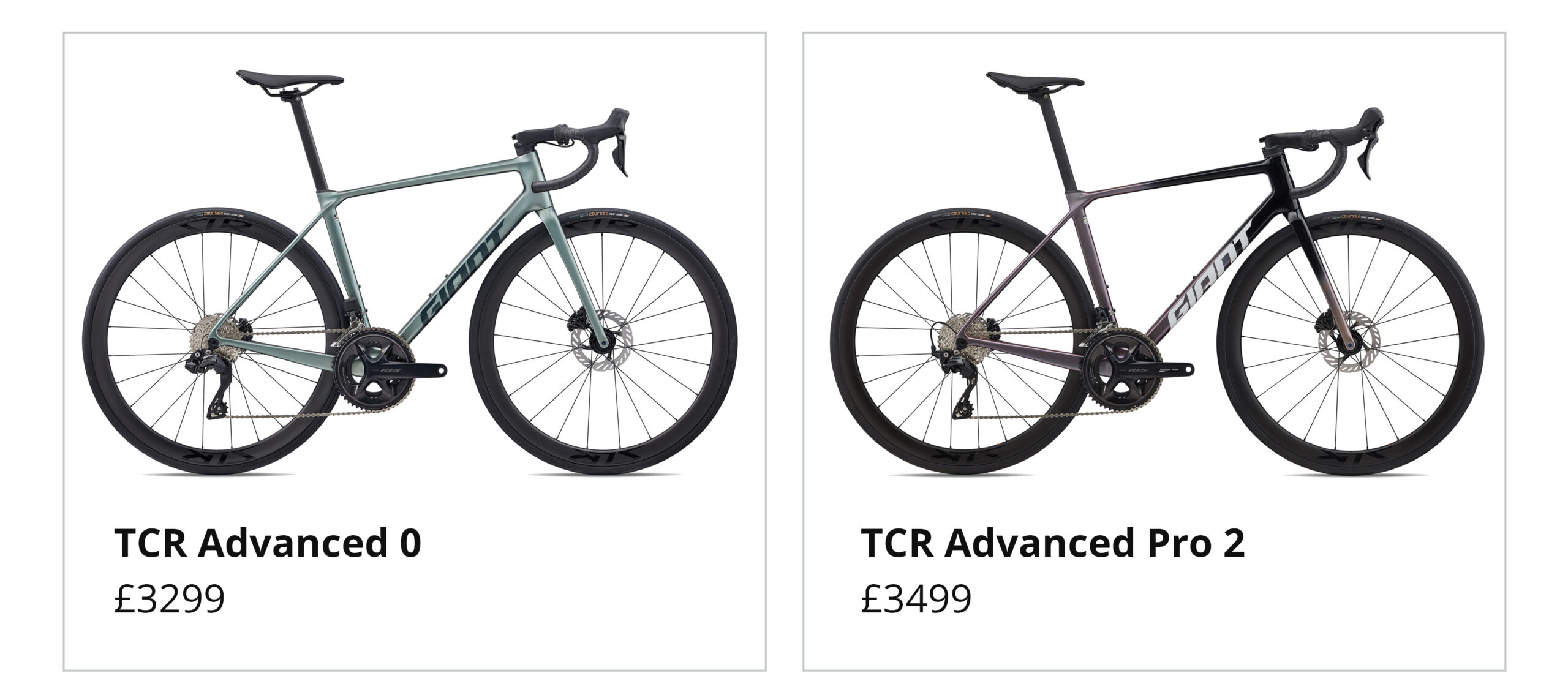
It’s important to remember that the model number only applies within that particular range. For example, while a TCR Advanced 0 is the highest-spec bike in the Advanced range, stepping up to a TCR Advanced Pro 2 gives you access to the upgraded Advanced Pro frame platform and fork, but with a lower-spec component package compared to some of the top Advanced models.
All Advanced Pro models are equipped with carbon wheelsets as standard, with wheel quality generally increasing as the model number decreases. Some higher-spec Advanced models also feature carbon wheels, making them an attractive option for riders looking for maximum value.
When comparing bikes, it’s often worth looking beyond the model number alone and considering the complete package of frame grade, wheelset and groupset to determine which bike best suits your needs and budget.
Finding the Right Size
Giant and Liv provide recommended sizing guides for every model, but we always recommend visiting your local store for personalised sizing advice.
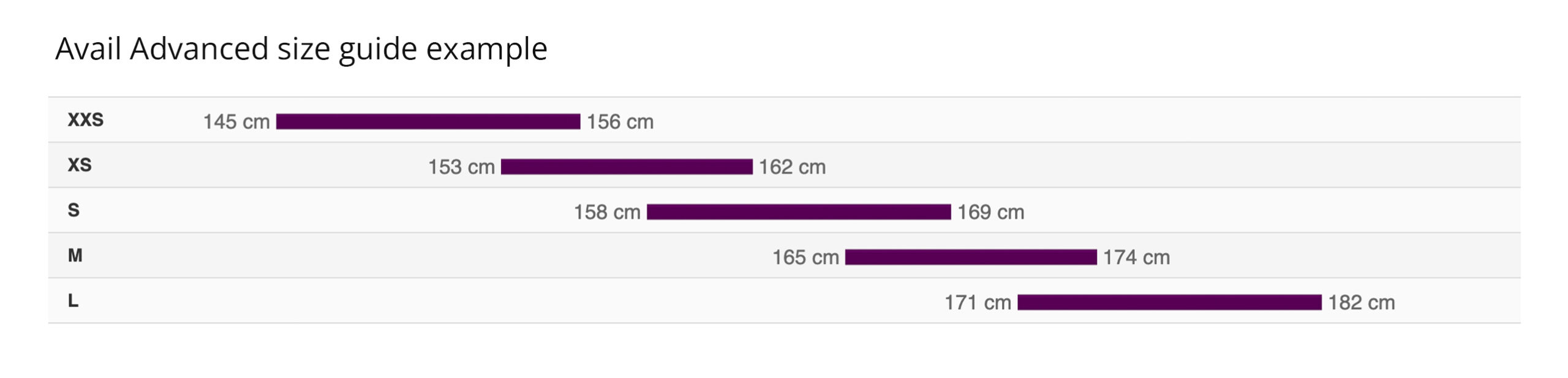
Choosing the right bike size is not always as simple as matching your height to a size chart. Everyone’s body proportions, flexibility and riding style are different, so what works perfectly for one rider may not be ideal for another.
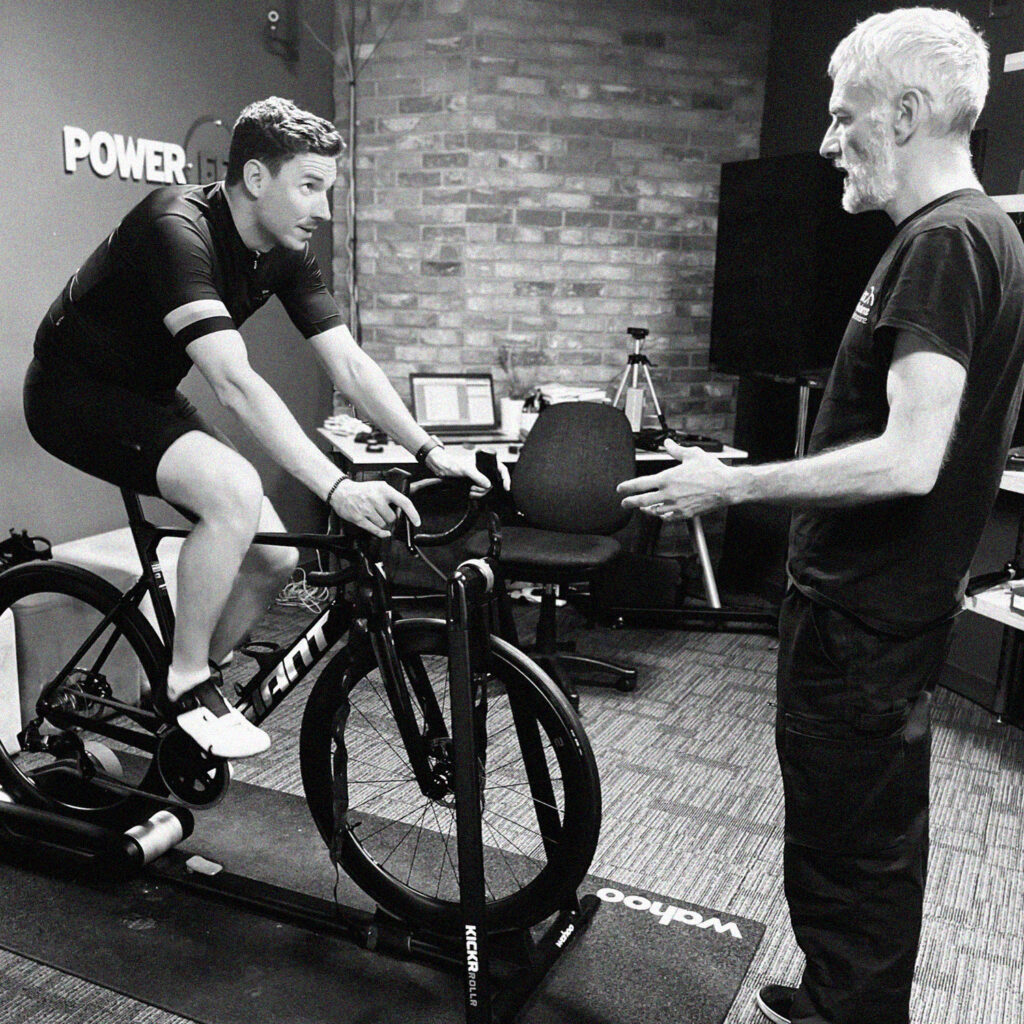
Our staff can help assess your measurements, flexibility and riding goals to recommend the size that will provide the best fit and riding experience. Depending on availability, you may even be able to arrange a test ride* to compare different sizes before making your decision.
We will be covering other factors when purchasing a new road bike, such as tubeless, drivetrains and other key considerations in future blogs, so stay tuned.
*Subject to terms and conditions. Test rides must be booked in advance. Please contact your local store for more information.